A Breast Lift (Mastopexy) is a surgical procedure designed to address breast drooping or sagging (ptosis). Breast Lift surgery aims to reshape and elevate the breast by repositioning the nipple, removing excess skin and tightening loose tissue in the lower breast. Unlike a Breast Augmentation (using implants), a Breast Lift does not add volume. However, the procedure can result in a firmer and more elevated appearance.
This technique involves making a crescent or semicircular incision along the upper half of the areola.
This technique is limited as it provides very little lift and can distort the shape of the areola.
This technique involves creating a crescent or semicircular incision around the areola.
While this has a larger incision than the crescent lift, a peri-areolar technique can provide a minimal lift and can be used to resize the areola.
This technique is suitable for moderate breast lifting. It involves a circular incision, similar to the peri-areolar lift, but with an additional vertical incision that extends straight down, creating a lollipop shape.
This is the most commonly performed Breast Lift technique and is best suited for most patients.
Similar to the previously mentioned techniques, the anchor technique involves a circular incision around the areola with a vertical incision going down the breast.
An incision is also made along the breast crease. The anchor lift technique can significantly reshape and resize the breast to create an extremely effective Breast Lift.
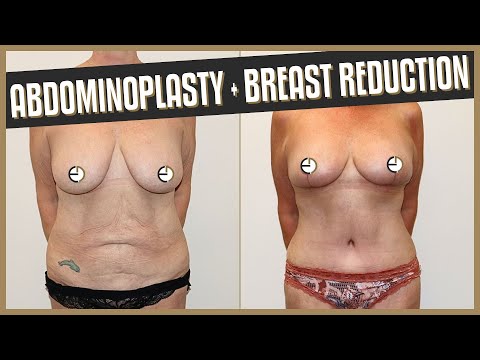
The displayed before and after pictures are provided as an educational tool to demonstrate some of the results achievable from plastic surgery. All surgeries are performed by Dr Eddy Dona and are published with the written consent of the patients.
Speak with Dr Eddy Dona about your suitability, the surgical options, recovery and costs. Our friendly team will call you back to discuss the procedure and schedule your appointment.

A general guide to recovery. Individual recovery varies and your personalised schedule will be provided before surgery.
Your Breast Lift procedure is performed in a private hospital under general anaesthesia. Typically, Breast Lift procedures can take between 1.5 and 2 hours. NB: The day before surgery, the hospital will call and advise you of the time you must arrive at the hospital. They’ll also explain all presurgical requirements, such as when to begin fasting before your surgery. When you arrive at the hospital, you’ll be required to check in with the reception staff. You’ll then be seen by a hospital staff member who will direct you to the presurgical waiting area. This is where you are officially ‘checked in’ for your surgery. While you wait to be taken to the operating room, the staff will ensure that you’re made as comfortable as possible. We always try to ensure that we schedule your hospital arrival time as close to the surgery time as possible. However, sometimes you may have to wait a little longer than planned before we can start your surgery. Before your surgery, you’ll be taken into the theatre anaesthetic bay. This is where Dr Dona will see you, have a final chat about your surgery and remind you of what to expect when you wake up. Dr Dona will also make tentative surgical ma…
When you wake from surgery, the head of your bed will be elevated to maximise your comfort. You’ll be fitted with a breathable cotton bra. A waterproof dressing will cover your wounds. This will stay in place for one day following your procedure. It will be removed within your first post-operative in-clinic appointment, which occurs one day after your surgery. At this time, micropore tape will be used along your incision lines. Your incision will have been stitched using several layers of internal dissolving sutures.
Here’s what you can expect regarding your recovery and wound care:
Dressings – These will cover your breast incisions. These dressings will be removed in your first post-operative appointment, one day after your surgery. Medical micropore tape – This will remain on your incisions for approximately one week after your surgery. Stitches – These are dissolvable, so they do not need to be removed. However, on rare occasions, a stitch can get irritated and may require manual removal by one of our nurses. Medical-grade topical cream – During your first post-operative visit, you’ll receive medical-grade topical cream to be applied to the surgical site. We do not use silicone strips or any other topical products. Instead, our medical-grade topical cream provides a natural seal of bees wax (binding ingredient in product), while also sending nutrients deep into the second layer of the skin. This topical cream also helps to accelerate healing and increase the formation of healthy scar tissue.
Showering: You’ll be allowed to shower with assistance. However, you cannot directly wet your incisions for one week post-surgery. Pain and discomfort: You may experience some discomfort, which will be managed with pain medication and our HeaLED light therapy program. In most cases, patients feel comfortable and are off pain medication by about one week post-surgery. Bloating and constipation: These are common side effects after surgery, due to your strong pain medications and lack of activity — both of which slow down the bowel. To counteract this, we will give you a medication for constipation called Movical. You’ll start taking Movical either while in hospital (if you are staying overnight) or for day surgery patients, you’ll begin taking Movical at home for a few days post-surgery. Discharge medications: All patients are provided with medication upon discharge from the hospital. These medications include pain management medication and antibiotics. Please take them as prescribed.
Breast Lift (Mastopexy) Questions
While both these breast surgeries are commonly performed cosmetic procedures, each serves a distinct purpose. A Breast Lift is designed to correct breast sagging (ptosis) by removing excess skin and tightening the surrounding tissue. The procedure reshapes and elevates the breasts, creating a more lifted appearance. Breast Augmentation (Bilateral Augmentation Mammoplasty) involves placing implants beneath the breast tissue or chest muscle to enhance breast size. The procedure is suitable for individuals who would like to restore or increase breast volume. Many patients opt for a combination of both surgeries: Augmentation–Mastopexy. This gives them fuller, more lifted breasts in a single surgical procedure.
A Breast Lift is performed in a private hospital under general anaesthesia. During the procedure, the surgeon creates incisions tailored to the specific Breast Lift technique. Then, the excess skin can be removed to reshape and lift the breasts. Unlike a Breast Reduction, minimal to no breast tissue is removed. After the excess skin has been removed and the breast tissue repositioned, the new skin edges are then brought together and secured with dissolvable sutures.
You’ll initially notice swelling and upper fullness in your breasts. Also, the lower half of your breast can appear tight and flat. The fullness in the upper part of your breast will slowly settle, and the lower half of the breast will slowly drop and round out. Most of your swelling will have settled after six weeks; however, the final results take six months.
At the six-month mark, your surgeon will critically review your results. However, it’s important to remember that no surgery stops the ageing process. Therefore, after you’ve achieved your final surgical results, your breasts will continue to change based on the normal processes of ageing, gravity, weight fluctuations, childbirth, breastfeeding, hormonal factors and genetics.
Every surgical procedure carries potential risks and complications. It’s important to be aware of these before making any decisions about surgery. When undergoing Breast Lift surgery, certain specific complications can occur, such as:
Speak with Dr Eddy Dona about your suitability, the surgical options, recovery and costs. Our friendly team will call you back to discuss the procedure and schedule your appointment.
Complete the form and our team will be in touch within one business day.