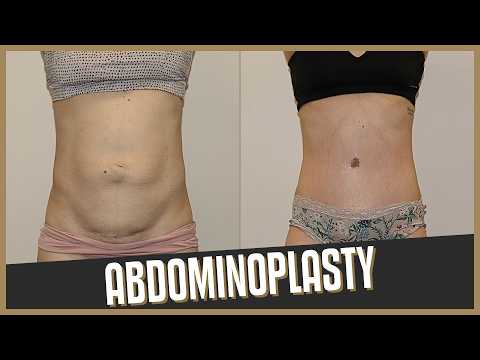
Tummy Tuck is a surgical procedure that addresses changes in the abdominal wall. It typically removes excess skin and tissue and tightens abdominal muscles, and is performed under general anaesthetic in a private hospital. For many, an abdominoplasty is considered a reconstructive procedure rather than a cosmetic operation.
A Standard Tummy Tuck (Abdominoplasty) addresses the skin, fat and muscle layers of the abdominal wall. A horizontal incision is made low on the abdomen from hip to hip, along with an incision around the belly button to allow elevation of the abdominal skin and tightening of the muscles. This is followed by the removal of excess lower abdominal tissue and the repositioning of the belly button.
This procedure may be considered for individuals with a small amount of loose skin confined to the lower abdomen below the belly button. It may involve limited tightening of the abdominal (diastasis) muscles. However, this is usually not required. A Mini Tummy Tuck (Abdominoplasty) has a short horizontal incision placed low on the abdomen, slightly longer than a C-section scar.
LEARN MOREA Fleur-De-Lis Tummy Tuck (Abdominoplasty) may be considered when excess abdominal skin extends in both vertical and horizontal directions, which is often seen after significant weight loss.
While most Tummy Tucks (Abdominoplasties) have a single lower abdominal scar positioned within the underwear line and a scar around or within the belly button, this technique also requires a midline vertical incision running from the lower abdomen toward the chest to allow for additional skin removal.
This approach enables the removal of a larger amount of excess tissue, and individuals considering the procedure need to weigh the potential benefit of greater skin reduction against the presence of a more visible scar.
LEARN MORE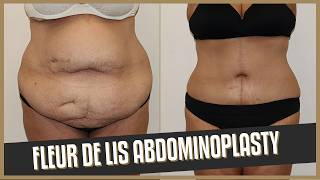
Fleur-De-Lis Tummy Tuck (Abdominoplasty)
A Belt Lipectomy, also known as a Lower Body Lift, may be considered for individuals with excess skin and tissue affecting the abdomen, flanks and buttocks. It is most commonly required after significant weight loss. A Belt Lipectomy may also be referred to as a 360 Tummy Tuck (Abdominoplasty) or Lower Truncoplasty.
This procedure is often considered when loose skin in these areas contributes to issues such as chafing, rashes, difficulty with hygiene, discomfort during movement, difficulty wearing certain clothing or concerns about the overall appearance of the remaining skin.
LEARN MOREWith more people achieving significant weight loss, new surgical options were needed to address the large amounts of remaining excess skin. This led to creating the OPEN BOOK TUMMY TUCK™ (Abdominoplasty), a technique pioneered by Dr Dona and named for the way the abdominal tissues open during surgery before being closed into their new position.
Dr Dona often explains the required scars using a dressmaking analogy. After significant weight loss, the skin is like a larger garment on a now-smaller body, and tailoring is now needed to reflect the change in size. The amount of excess skin present dictates the scar pattern required to achieve optimal tailoring.
The OPEN BOOK TUMMY TUCK™ (Abdominoplasty) is designed for individuals who require significant reconstruction and involves three scars, including the two used in a Fleur-De-Lis Tummy Tuck (Abdominoplasty) and an additional horizontal scar along the lower chest fold. These scars join to allow removal of excess skin from both the lower and upper abdominal areas through a wide central segment of skin removal.
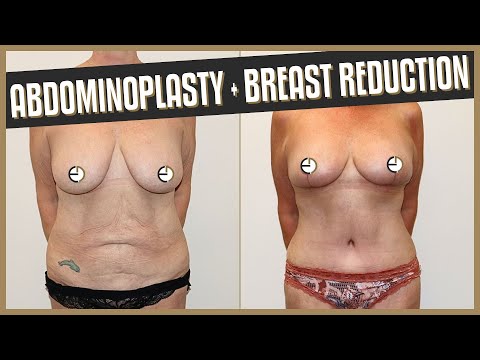
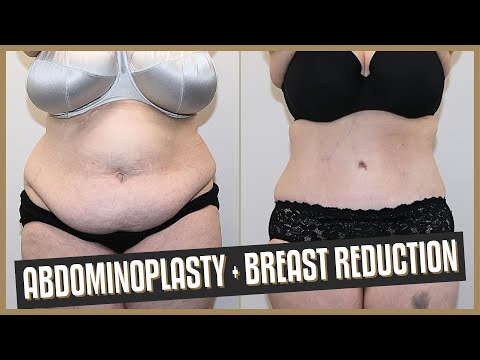
LEARN MOREThe displayed before and after pictures are provided as an educational tool to demonstrate some of the results achievable from plastic surgery. All surgeries are performed by Dr Eddy Dona and are published with the written consent of the patients.
Speak with Dr Eddy Dona about your suitability, the surgical options, recovery and costs. Our friendly team will call you back to discuss the procedure and schedule your appointment.


A general guide to recovery. Individual recovery varies and your personalised schedule will be provided before surgery.
Most patients stay in the hospital for two days after a full Tummy Tuck (Abdominoplasty), though some choose to stay a little longer. When you wake, you will be positioned with your hips slightly bent to reduce tension on the wounds. You will have internal dissolving stitches, waterproof dressings, a compression garment and usually one or two drains. A catheter, IV drip, leg compression devices and oxygen are also commonly used to keep you comfortable and support monitoring in the early hours after surgery. The first day can feel similar to recovering from a caesarean, and many patients feel sore, tired and limited in movement, but this improves quickly. Before going home, your drips, drains and catheter are removed, and you will be up and walking, although slowly and slightly bent forward, which is normal in the early stages of recovery.
After your Tummy Tuck (Abdominoplasty) surgery, you will usually be discharged from the Sydney private hospital in the late morning and go straight to our clinic for your first heaLED post-operative appointment. During this visit, our nursing team will remove your dressings, assess your incisions and provide light-based and supportive therapies as part of your personalised wound-care plan. Before your surgery, you’ll receive your full Tummy Tuck (Abdominoplasty) recovery schedule and instructions for the weeks ahead.
During the first week, you will visit our clinic regularly for wound checks and post-operative care. It’s normal to feel discomfort at this stage, but all patients notice steady improvement. Our nurses closely monitor your healing, guide you through each step and remain available for any questions. Interstate patients often have more frequent appointments during this time, while local patients attend several in-clinic visits.
In Week two of your Abdominoplasty recovery, mobility usually starts to improve. The incisions typically appear less red, and swelling gradually decreases. You will continue attending your scheduled heaLED post-operative appointments, so our team can assess your progress and support your healing.
By Week three, many Tummy Tuck (Abdominoplasty) patients begin to feel more like themselves. Light household duties may be manageable, and some people may be able to return to desk-based work, depending on their recovery. The incision lines are usually more settled at this stage, and early internal scar tissue begins to strengthen.
During Weeks four and five, local patients continue attending regular post-operative reviews, while interstate patients often return home and receive ongoing check-ins from our nursing team. We continue to monitor your healing, swelling and overall recovery to ensure you remain supported through this critical stage of your Tummy Tuck (Abdominoplasty) journey.
Around Week six, you will return to the clinic for your review with Dr Dona. This appointment allows us to assess your Tummy Tuck (Abdominoplasty) progress and discuss the next phase of your recovery and rehabilitation. Additional long-term follow-up at six and twelve months may be recommended to support your results.
Final results after a Tummy Tuck (Abdominoplasty) take time to develop fully, and patience is vital for recovery. Many patients notice a visible change immediately after surgery, particularly when significant reconstruction has been required, although swelling and discomfort persist. By around six weeks, as normal activities are gradually resumed, the improvement becomes more noticeable. Swelling, tightness and discomfort continue to settle over the first six months. Many people feel largely back to normal by this stage. Scar maturation takes longer, usually 12 to 24 months, progressing from red and more prominent in the early weeks to finer, lighter lines over time. All scars remain permanent, and while most heal well, some may thicken or develop characteristics such as keloid formation.
Patients are generally encouraged to maintain a stable weight for at least six months before undergoing a Tummy Tuck (Abdominoplasty). They should continue healthy lifestyle habits after surgery to support long-term outcomes. During the first six weeks of recovery, physical activity is usually limited, and daily movement may decrease, which can increase the likelihood of weight gain. Mindful eating and gentle walking are recommended, along with maintaining the lifestyle habits established before surgery.
Many individuals choose to undergo a Tummy Tuck (Abdominoplasty) after completing their family. However, many women without children who have experienced massive weight loss want an abdominoplasty. Regardless of any prior pregnancy state, pregnancy after a Tummy Tuck is not an issue, as surgery does not prevent pregnancy or stop the abdomen from expanding during pregnancy. The extent to which pregnancy may affect the appearance of the abdomen afterwards varies between individuals. Greater changes are more likely in the presence of significant weight gain.
During a Tummy Tuck (Abdominoplasty), the original belly button is preserved and remains attached to the underlying muscle. The abdominal skin is lifted and repositioned around it before a new opening is created in the tightened skin to bring the belly button through and secure it in place. Specific techniques are used with the aim of achieving a natural appearance and minimal visible scarring.
As part of Tummy Tuck (Abdominoplasty) recovery, Dr Dona offers non-surgical post-operative treatments performed by the nursing team using the EVOLVE system, including TONE, TITE and TRIM. These treatments may support muscle activation, skin tightening and management of small areas of residual fat once surgical recovery allows, with most patients commencing treatment from around six weeks post-surgery. TONE uses electrical muscle stimulation to help re-engage the abdominal muscles when activity is limited. TITE and TRIM use radiofrequency-based technologies to support skin tightening and contour refinement as the abdomen continues to settle.
Pain relief is managed by your anaesthetist while in hospital, and medications are provided for use at home. Most patients stay in hospital for around two days after a full Tummy Tuck (Abdominoplasty). The first 24 hours are usually the most uncomfortable. Common symptoms include abdominal tightness and a need to walk in a slightly bent position. Drains, drips, and the catheter are removed before discharge, and many patients describe the discomfort as similar to that of caesarean recovery, with steady improvement over the first few days. Standing fully upright can take up to two weeks and should occur gradually. Supporting the abdomen during coughing or sneezing may help reduce discomfort. Regular deep breathing is vital during the early recovery period to support lung expansion and reduce the risk of chest complications.
Bloating and constipation are common after a Tummy Tuck (Abdominoplasty) due to recent surgery, reduced mobility, pain medication and changes in diet. Medications are provided in hospital to help minimise bowel issues. Once home, good fluid intake, a high-fibre diet and supplements or laxatives may be recommended. Early bloating and swelling can make the abdomen appear fuller initially, but this is temporary.
After surgery, sleeping on your back with the upper body elevated and a pillow under the knees is recommended to reduce tension on the wounds. Side sleeping is generally avoided for the first two weeks. Sleeping on the stomach is usually not possible initially due to limited ability to stand fully upright. As a general guide, stomach sleeping should be avoided for at least three weeks, then guided by comfort.
Driving is generally avoided for the first two weeks after surgery due to abdominal tightness and reduced mobility. After this time, driving may be considered once you feel comfortable, mobile and confident that you can do so safely.
The appropriate time to return to work depends on the nature of your job. Office-based or work-from-home roles may be possible after about two weeks, light duties after three weeks, and some light hospitality roles after about four weeks. Heavy lifting and strenuous activity should be avoided for six weeks. After this time, activity can be gradually increased as tolerated. Learn More About Returning To Work After Tummy Tuck (Abdominoplasty)
Gentle walking usually begins the day after surgery and increases gradually over the first two weeks. Once standing upright is comfortable, walking distances may increase, but running, gym workouts and core exercises should be avoided. For the first six weeks, activities that strain the abdominal muscles should be avoided, with light exercise such as stationary cycling or gentle weights often introduced after this time, progressing gradually. Learn More About Exercise After Tummy Tuck (Abdominoplasty) Surgery
Sexual activity is generally avoided in the early stages of recovery due to increased abdominal pressure and movement. Most patients are not comfortable during the first week, and sexual activity is typically not recommended for the first two weeks. For six weeks, positions or movements that engage the core or place pressure on the abdomen should be avoided. After this time, activity may be resumed gradually based on comfort and recovery progress.
The cost of a Tummy Tuck (Abdominoplasty) in Sydney varies, as every procedure is different. Some operations are relatively straightforward, while others are more complex and require more time in theatre.
Factors such as the extent of excess skin, whether muscle repair is required, and the overall complexity of your anatomy all influence the final cost. All fee information specific to your situation will be discussed during your consultation with Dr Dona.
For some patients, a Tummy Tuck (Abdominoplasty) may be considered reconstructive rather than cosmetic. If your concerns relate to functional issues such as excess skin causing rashes, hygiene problems, discomfort or muscle separation, you may meet the Medicare criteria for a reconstructive Abdominoplasty.
Only Dr Dona can assess your abdomen in person and determine whether a Medicare item number applies. If you qualify, Medicare may pay a small rebate toward Dr Dona’s fee, which can reduce your total out-of-pocket cost.
Private Health Insurance may also contribute, but only if a Medicare item number is approved and you hold an appropriate level of hospital cover.
If you have top hospital cover that includes the relevant Medicare item number, your insurer may pay some or all of the hospital costs for your Tummy Tuck (Abdominoplasty), excluding any excess payable on your policy. This can significantly reduce the overall cost of the procedure.
If no Medicare item number applies, the procedure is classified as cosmetic, and all fees must be paid privately. As Medicare eligibility, Private Health Insurance coverage and surgical complexity differ for every patient, the final cost of a Tummy Tuck (Abdominoplasty) in Sydney is highly individual.
During your consultation, Dr Dona will provide a personalised quote, explain any potential rebates and outline what your private health fund may cover so you have a clear understanding of all expected costs before proceeding.
For some patients, a Tummy Tuck (Abdominoplasty) may be considered reconstructive rather than cosmetic. If your concerns relate to functional issues such as excess skin causing rashes, hygiene problems, discomfort or muscle separation, you may meet the Medicare criteria for a reconstructive Abdominoplasty. Only Dr Dona can assess your abdomen in person and determine whether a Medicare item number applies. If you qualify, Medicare may pay a small rebate toward Dr Dona’s fee, which can reduce your total out-of-pocket cost.
Private Health Insurance may also contribute, but only if a Medicare item number is approved and you hold an appropriate level of hospital cover. If you have top hospital cover that includes the relevant Medicare item number, your insurer may pay some or all of the hospital costs for your Tummy Tuck (Abdominoplasty), excluding any excess payable on your policy. This can significantly reduce the overall cost of the procedure.
The cost of a Tummy Tuck (Abdominoplasty) in Sydney varies, as every procedure is different. Some operations are relatively straightforward, while others are more complex and require more time in theatre. Factors such as the extent of excess skin, whether muscle repair is required, and the overall complexity of your anatomy all influence the final cost. All fee information specific to your situation will be discussed during your consultation with Dr Dona.
Tummy Tuck (Abdominoplasty)
Many individuals considering a Tummy Tuck (Abdominoplasty) also have concerns about abdominal wall hernias and whether these can be addressed during the same procedure. Abdominal muscle separation, which is common after pregnancy, represents midline weakness and is typically repaired during a Tummy Tuck (Abdominoplasty).
True abdominal wall hernias often occur along the midline near the belly button and may require repair due to associated symptoms. When hernias are repaired by a general surgeon, this can involve an incision near the navel and the use of mesh, which may affect blood supply to the area and influence future surgical planning.
For individuals with a small hernia who are planning a Tummy Tuck (Abdominoplasty), Dr Dona commonly addresses the hernia during the same operation without the use of mesh, with the muscle repair contributing to its closure.
Many people ask whether a Tummy Tuck (Abdominoplasty) can address abdominal muscle separation, known as diastasis recti, which commonly occurs after pregnancy and can range from mild to severe.
Muscle separation can cause a range of physical changes, including increased abdominal width or fullness, a noticeable midline ridge or bulge when straining, altered core mechanics that may affect posture and lower-back function, and, in some individuals, symptoms that may affect bladder control.
If muscle separation is present, Dr Dona will address it during the Tummy Tuck (Abdominoplasty) procedure, which typically involves bringing the abdominal muscles back together.
Many individuals choose to undergo a Tummy Tuck (Abdominoplasty) after completing their family; however, it remains possible to become pregnant after the procedure, as surgery does not prevent pregnancy or stop the abdomen from expanding during pregnancy.
The extent to which pregnancy may affect the appearance of the abdomen afterwards varies between individuals, with greater changes more likely in the presence of significant weight gain. Maintaining a healthy pregnancy weight may help limit these changes.
Patients are generally encouraged to maintain a stable weight for at least six months before undergoing a Tummy Tuck (Abdominoplasty) and to continue healthy lifestyle habits after surgery to support long-term outcomes.
During the first six weeks of recovery, physical activity is usually limited, and daily movement may decrease, which can increase the likelihood of weight gain. Mindful eating and gentle walking as comfort allows are often recommended, along with maintaining the lifestyle habits established before surgery.
The cost of a Tummy Tuck (Abdominoplasty) in Sydney varies because every procedure is different. Factors such as the extent of excess skin, whether muscle repair is required, and the overall complexity of your anatomy all influence the final cost, and this will be discussed in detail during your consultation with Dr Dona.
For some patients, a Tummy Tuck (Abdominoplasty) may be considered reconstructive rather than cosmetic. If your concerns relate to functional issues such as excess skin causing rashes, hygiene problems, discomfort or muscle separation, you may meet the Medicare criteria for a reconstructive Abdominoplasty.
Only Dr Dona can assess whether a Medicare item number applies, and if approved, Medicare may provide a small rebate toward Dr Dona’s fee.
Private Health Insurance may also contribute if a Medicare item number is approved and you hold appropriate hospital cover, potentially reducing hospital costs. If no Medicare item number applies, the procedure is classified as cosmetic and all fees are paid privately.
As eligibility and surgical complexity vary, the final cost is highly individual, and a personalised quote will be provided during your consultation.
A common misconception about Tummy Tuck (Abdominoplasty) surgery is that it creates a visible six-pack. However, this procedure is designed to remove excess skin and associated fatty tissue, rather than change the underlying shape of the abdominal muscles.
A defined six-pack depends on naturally well-developed abdominal muscles and a very thin layer of body fat, which surgery does not create on its own. The thickness of the fatty layer after surgery generally reflects a person’s overall body fat levels.
Many people find that the changes achieved with a Tummy Tuck (Abdominoplasty) encourage them to continue their lifestyle efforts, such as exercise and healthy habits, which may influence their appearance over time.
Compression garments play an essential role in recovery after a Tummy Tuck (Abdominoplasty). At the end of surgery, you are placed into your compression garment while still in the operating theatre. During early post-operative appointments, you may also be fitted with an abdominal binder for additional support.
Compression garments apply gentle, even pressure to the abdomen to help manage swelling, reduce the risk of early bleeding and provide external support to the internally tightened abdominal muscles. We recommend wearing your compression garment continuously for six weeks, removing it only for short periods, such as showering.
After six weeks, the garment is no longer required, although many patients choose to continue wearing it for comfort and to help manage ongoing day-to-day swelling, which can persist for several months after a Tummy Tuck (Abdominoplasty).
A Tummy Tuck (Abdominoplasty) is not a weight-loss procedure for most people. The operation is generally performed to remove excess skin that does not change with diet or exercise, meaning the actual amount of weight removed is usually minimal.
A smaller group of individuals may have a large, overhanging fatty apron. In these cases, a greater amount of tissue may be removed, but this represents a minority of patients. Even in these situations, the procedure is undertaken to address excess tissue and its associated functional and lifestyle challenges, rather than for weight-loss purposes.
When you start walking, usually with assistance on the day after surgery, you will be slightly hunched and moving slowly. This is expected as the skin and (in many cases) the muscles have been tightened.
Patients who do not require muscle repair may feel a little more comfortable but still experience tightness. As a general guide, it often takes around two weeks before you feel able to straighten up fully, and this should happen gradually without force.
After a Tummy Tuck (Abdominoplasty), some patients notice residual looseness or excess skin at the sides or flanks, particularly in individuals who have experienced significant weight loss where excess skin extends around the waist toward the back.
As a Tummy Tuck (Abdominoplasty) focuses on the front of the abdomen, removal of excess skin must end along the sides, meaning any existing skin laxity beyond this area may remain. In some cases, patients choose additional surgery to address the flanks or back, which may involve a staged Body Lift or Belt Lipectomy. In contrast, others may opt for a single Belt Lipectomy if flank and back concerns are significant before surgery.
Occasionally, small bulges of tissue known as dog ears can appear at the ends of the scar, which often improve as swelling settles, but if they remain prominent, a minor revision procedure may be considered.
Abdominal fat exists in two layers: the fat beneath the skin that you can pinch, and the deeper visceral fat around the organs, which cannot be pinched but contributes to a fuller or rounder abdomen.
A Tummy Tuck (Abdominoplasty) removes only skin and fat above the muscle layer and does not remove visceral fat, which lies deep to the muscles and can only be reduced through overall weight loss. For this reason, some people may still notice abdominal fullness after surgery, particularly if visceral fat is a significant contributor.
In certain individuals with a large lower abdominal apron, the upper abdomen may appear more noticeable after surgery because the lower abdomen has reduced more dramatically, even though the upper abdomen has reduced to some degree as well.
Whenever someone is having an anaesthetic, no matter what it's for, things can potentially go wrong. That is why no surgery should be considered 'minor'. While the likelihood of the following is minimal, you should still be aware of them.
Speak with Dr Eddy Dona about your suitability, the surgical options, recovery and costs. Our friendly team will call you back to discuss the procedure and schedule your appointment.
Complete the form and our team will be in touch within one business day.